Bali or Dubai: Where is it better to invest in real estate?
The real estate markets in Dubai and Bali are currently in the spotlight for investors, but the choice between these destinations depends on your goals, budget, and expectations. Experts at SPI Dubai provide an in-depth analysis of key metrics to help you make an informed decision.
Market Overview
• Dubai:
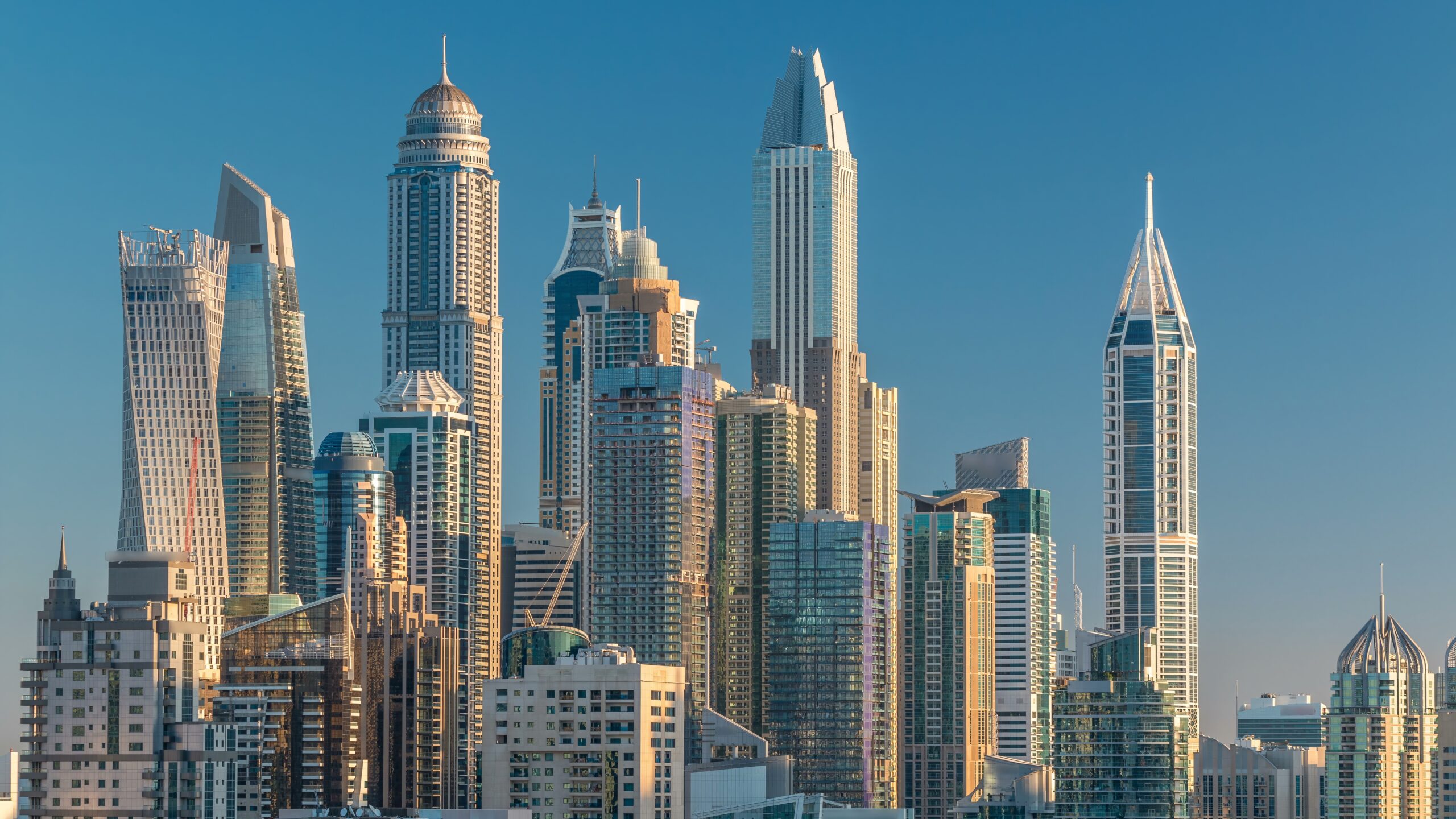
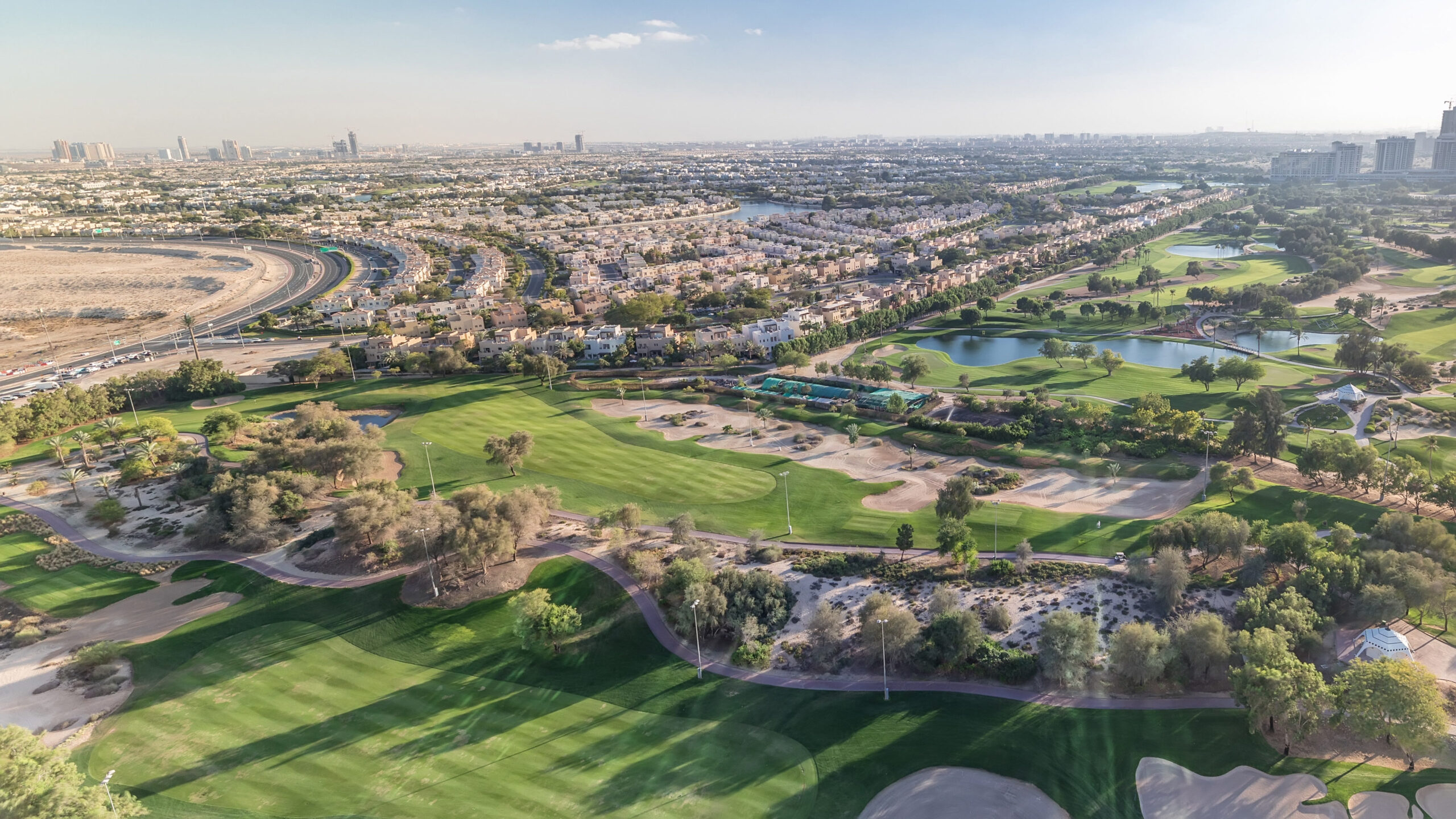
As of 2024, the total real estate supply, including apartments and villas, exceeds half a million units. New construction is actively ongoing, but a gradual balance between supply and demand is being observed. This reduces opportunities for super-profitable investments, particularly in the mid-price segment.
• Bali:
Strict regulatory height restrictions (no more than 15 meters) make the market unique. The shrinking number of land plots for development increases the value of existing properties. Real estate in premium locations enjoys consistently high demand, and owners set high rental rates.
Entry Threshold
• Dubai:
The minimum investment for residency starts at $204,000, but such properties often do not provide high returns. The average cost of profitable housing in prestigious areas ranges between $350,000–$400,000. Investors also face additional furnishing expenses, especially for rental purposes.
• Bali:
The entry threshold is significantly lower. Modern apartments can be purchased for $100,000, and fully furnished villas in coastal areas range from $250,000–$300,000. This makes Bali’s market more accessible for beginner investors.
For those seeking unique projects with high ROI, we recommend:
• Parq Development – ultra-modern residential complexes with unique architecture and high rental demand.
• SPI Residence – premium investment villas perfect for rentals and resale.
Return on Investment (ROI)
• Dubai:
The average ROI in Dubai is 6–7%, with luxury properties priced at $500,000+ reaching up to 8.5%. However, the payback period is typically 10–12 years.
• Bali:
With returns ranging from 12% to 15% (and up to 20% in premium locations), Bali offers one of the highest profitabilities globally. This is driven by constant tourist inflows, the island’s rising popularity for events, and limited property availability.
Seasonality and Rental Demand
• Dubai:
Rental demand heavily depends on the season. The high season runs from October to April, while summer demand drops due to extreme heat (up to 50°C).
• Bali:
Bali benefits from year-round tourism. Occupancy rates range between 70% and 85%, regardless of the season, making rentals more stable.
Taxes
• Dubai:
Attractive tax policies:
• Registration fee – 4%.
• No rental income tax.
• Bali:
Higher tax burdens:
• Purchase tax – 5%.
• Annual property tax – 0.1%.
• Rental income tax – up to 20% of gross income for non-residents.
Conclusion: What to Choose?
• Dubai: Suitable for long-term investments and investors seeking stability, prestige, and market transparency.
• Bali: Ideal for those looking for high passive income, low entry thresholds, and maximum profitability.
Recommended Investment Projects in Bali:
• Parq Development – the perfect choice for those seeking high returns and ownership of an architectural masterpiece.
• SPI Residence – premium villas with ready rental streams and growth potential.
SPI Dubai experts will help you choose a promising property in either of these locations. Write to us to get a consultation and learn how your investments can work for you.