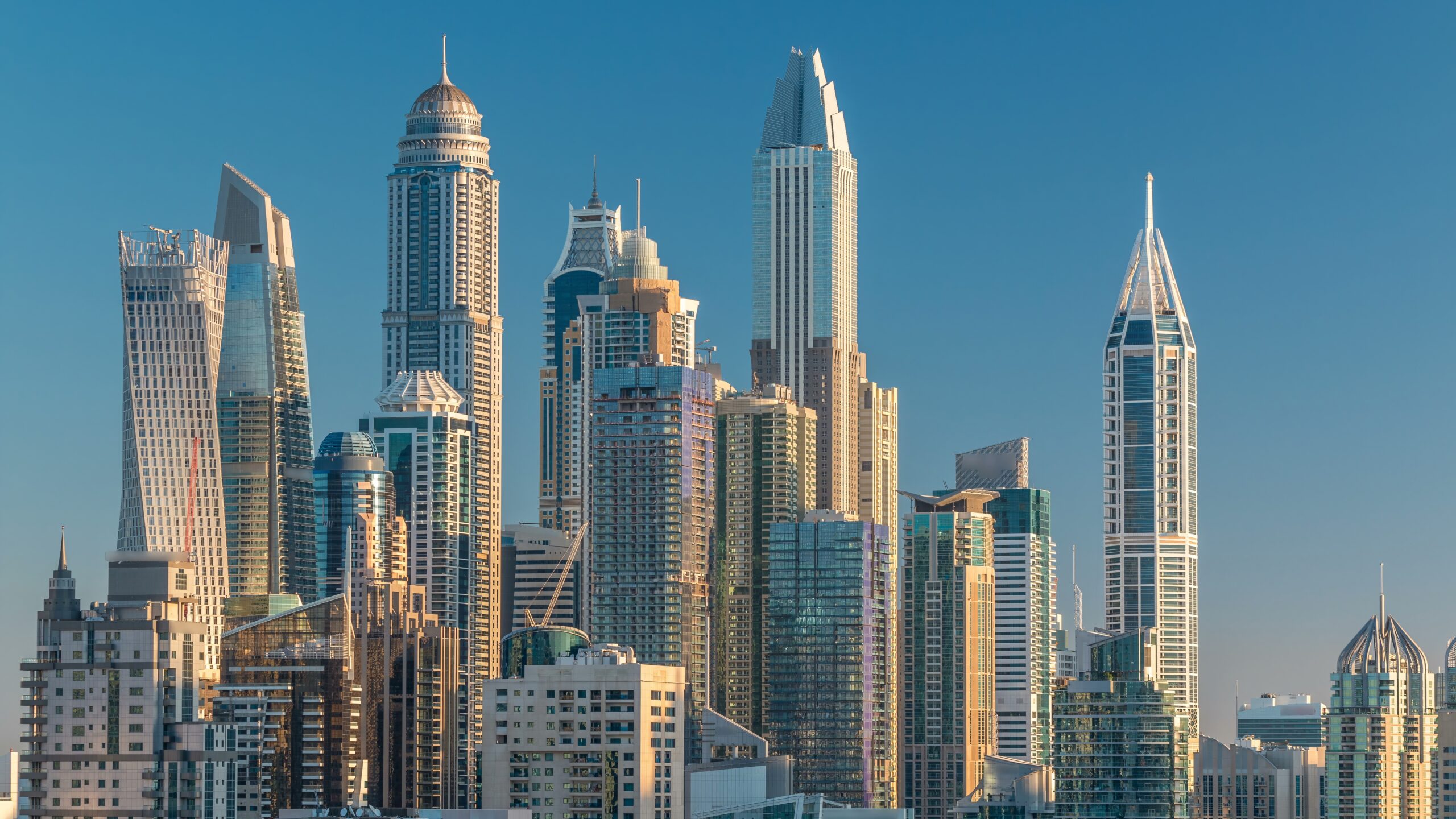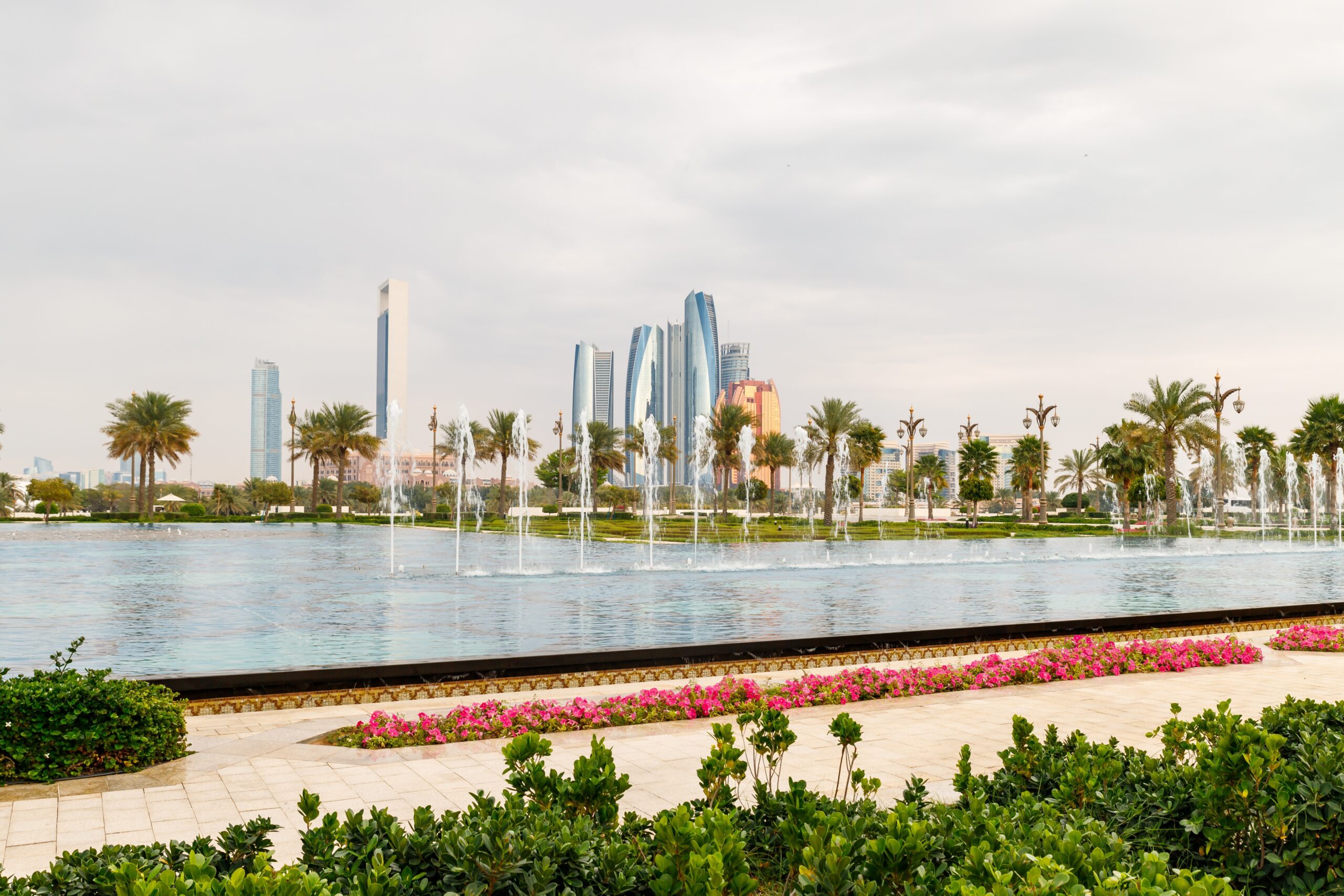
Dubai and Abu Dhabi Named Most ‘Liveable Cities’ in the Middle East and Africa
Dubai and Abu Dhabi have topped the liveability rankings in the Middle East and Africa, improving their scores in healthcare and education, according to the Economist Intelligence Unit (EIU) Global Liveability Index for 2024.
Achievements in Safety and Healthcare
Abu Dhabi ranked first globally on the Safety Index with a score of 88.2 points and had the lowest score on the Crime Index with 11.8 points. Meanwhile, Dubai ranked fifth on the list of the world’s safest cities.
In healthcare, recent data from the Dubai Health Authority showed that in Q1 2024, the emirate had 5,020 licensed and operational healthcare facilities, with 13,370 licensed doctors. In Abu Dhabi, there were 3,323 healthcare facilities, including 67 hospitals, 1,136 health centers, 765 clinics, 1,068 pharmacies, and 287 other healthcare establishments. By the end of 2022, the number of licensed doctors in Abu Dhabi had reached 12,922.
Education and Regional Influence
In education, Abu Dhabi had 459 schools during the 2023-2024 academic year, including private, public, and mixed schools, while Dubai had 220 private schools.
Eight of the top ten cities in the region are in Gulf countries, which are stable and increasingly influential on the global stage. These include Kuwait City, Doha, and Manama, which ranked 3rd, 4th, and 5th, respectively.
Global Index and Evaluation Categories
The global index covers 173 cities assessed on five categories: stability, healthcare, culture and environment, education, and infrastructure.