Official Construction of Bali Urban Rail Network Has Begun
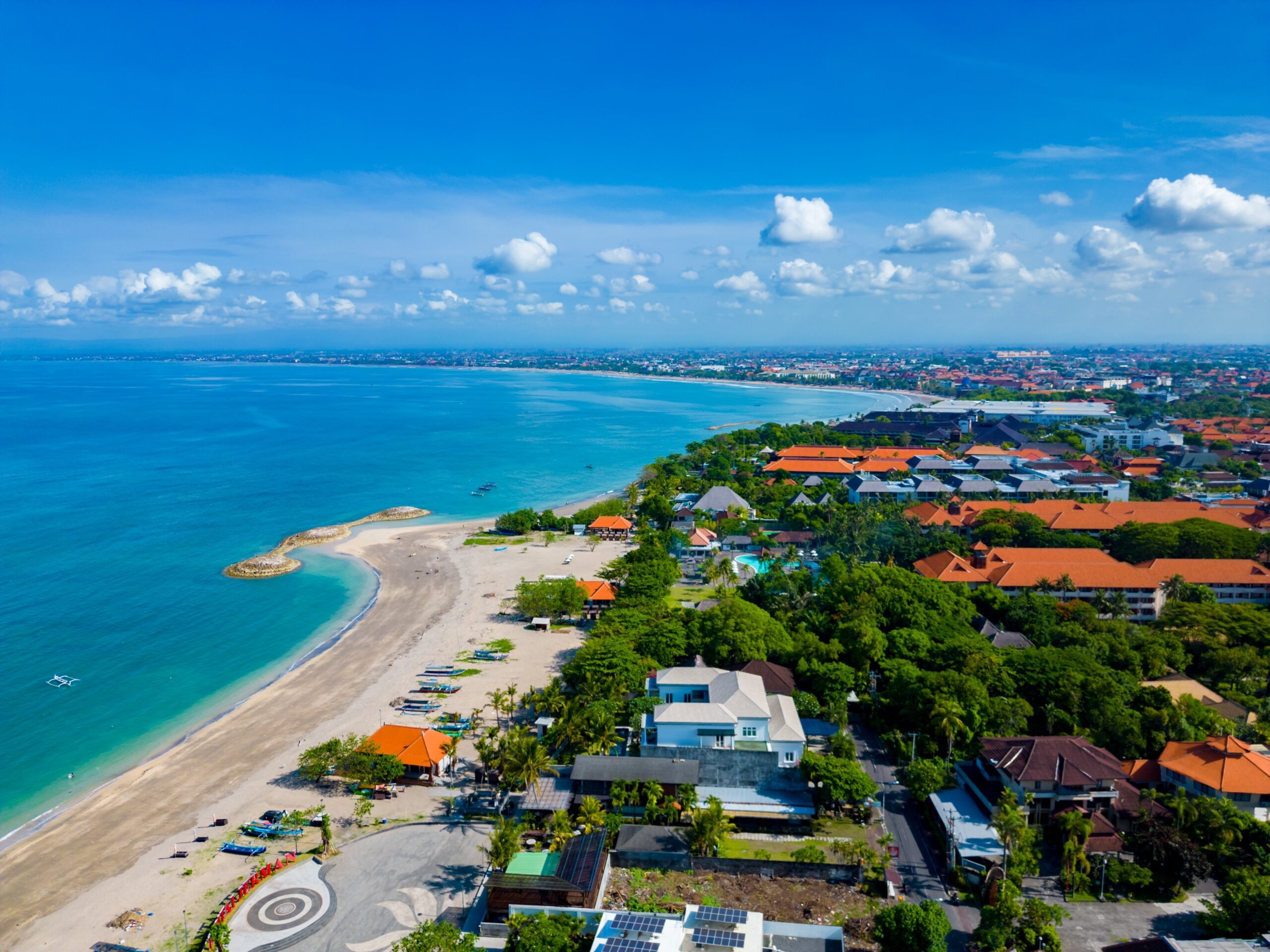
The first stone has been officially laid for the Bali Urban Rail Network project. This much-anticipated project is expected to drastically transform the transportation system in South Bali.
Ceremonial Event and Strategic Importance of the Project
The land blessing ceremony took place at a depth of 30 meters at the Kuta Parking Center. Attended by Bali’s political and spiritual leaders, the event emphasized the significance of the project. The Bali Urban Rail Network is considered one of the key long-term solutions to tackle the island’s traffic congestion issues. The multi-billion-dollar initiative will take several years to complete.
Contractor Selection: Collaboration with Local and International Companies
Ari, the Project President Director, highlighted that the selection of China Railway Construction Corporation (CRCC) as the contractor was due to their global reputation and experience in building 200,000 kilometers of railways in over 100 countries. The local contractor, PT Sinar Bali Bina Karya, has been successfully producing construction materials in Bali since 1995.
Ari added, “The selection of PT Sinar Bali underscores our commitment to developing local talent and supporting the region’s economy.”
Companies Involved in the Project
The project, financed by the Bali Provincial Government, was awarded to a consortium led by PT SBDJ, which chose PT Indotek as the main contractor alongside CRCC. The local contractor PT Sinar Bali will play a key role in the project’s implementation.
Construction Phases and Future Plans
It is planned that both the first and second phases of the project will be fully completed by 2031. The first phase, which will involve the construction of tunnels for the underground railway, is expected to be the most labor-intensive. The first phase line will stretch from I Gusti Ngurah Rai Airport through Kuta Central Parking, Seminyak, Berawa, and Cemagi, spanning 16 kilometers.
The second phase will include a circular line from the airport to Jimbaran, Ubud, and Nusa Dua, with a possible stop in Sanur. The length of the second phase will be 13.5 kilometers.
Technology and Infrastructure: Addressing Environmental and Water Supply Issues
To meet the high expectations of Bali’s residents, the project will utilize ten Tunnel Boring Machines (TBM), fully funded by PT BIP, a partner investor.
Pasek Senjaya, the Managing Director of PT SBDJ, assured that measures will be taken during construction to ensure residents continue to have access to clean water. He emphasized the importance of collaborating with the Regional Drinking Water Company (PDAM) to prevent water pollution and leakage, ensuring more efficient water distribution.
Conclusion
The Bali Urban Rail Network project promises to be a significant step toward solving Bali’s transportation problems and improving the quality of life for its residents.
To schedule a consultation, please fill out the form below.